
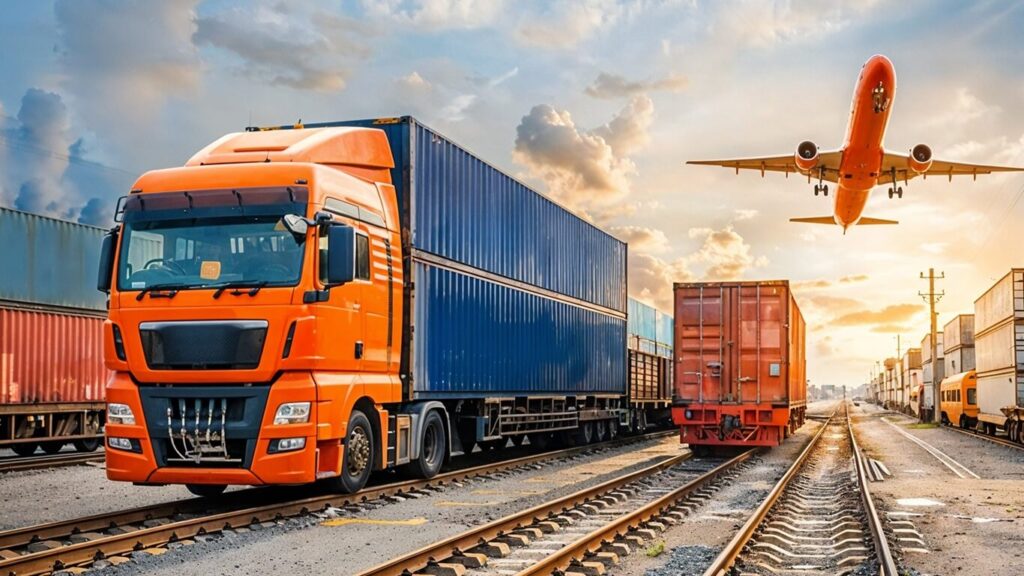
How technology, sustainability, and agility are redefining global supply chains
Global logistics is evolving faster than ever — driven by digital transformation, customer expectations, environmental goals, and new business realities. In 2025, logistics is no longer just about moving goods from A to B; it’s about intelligent systems, resilient networks, and seamless experiences that connect global markets. From autonomous vehicles to sustainability mandates, here are the key trends shaping the future of logistics this year.
1. Digital Transformation and Real-Time Visibility
The logistics industry is entering a new era of digitalization. Technologies like IoT, cloud platforms, and advanced tracking systems are providing unprecedented visibility into every step of the supply chain — from warehousing to final delivery. Real-time data isn’t just a competitive advantage anymore — it’s a necessity for optimizing operations, reducing disruption, and improving customer satisfaction. Companies investing in digital dashboards and IoT sensors can monitor shipments live, respond immediately to delays, and make smarter operational decisions. Softlink Global+1
2. Artificial Intelligence and Predictive Analytics
AI is transforming logistics from a reactive process into a proactive, data-driven engine. Machine learning models now forecast demand, optimize routes in real time, and automate complex decision-making across supply chains. With AI handling forecasting, inventory planning, and anomaly detection, companies reduce costs, cut downtime, and adapt to change faster than ever. Tools powered by large language models and predictive analytics are also helping logistics teams anticipate disruptions — from weather events to port congestion — and act before problems escalate. Transvirtual+1
3. Automation, Robotics, and Autonomous Delivery
Warehouses and delivery networks are being reshaped by robotics and automation. Automated storage and retrieval systems (AS/RS), autonomous guided vehicles (AGVs), and robotic sorting systems are speeding up fulfillment while reducing labor costs and errors. Beyond the warehouse, self-driving trucks and delivery drones promise to redefine last-mile logistics — making deliveries faster, safer, and more flexible. Although large-scale adoption will grow incrementally as regulations evolve, pilot programs are already demonstrating the potential for 24/7 autonomous logistics operations. Freight Amigo+1
Real-world movement: Autonomous freight operations are progressing globally, with driverless logistics trucks testing public road routes — a milestone for the shift toward customer-centric logistics networks. MRT
4. Sustainability and Green Logistics
Sustainability isn’t a trend — it’s a strategic imperative. As governments tighten emissions regulations and consumers demand greener practices, logistics companies are embracing eco-friendly transport, electric fleets, and carbon tracking technologies. From route optimization that reduces fuel use to electric heavy-vehicles and carbon-offset programs, logistics providers are finding ways to balance service excellence with environmental responsibility. Magaya Logistics
The shift toward electric vehicles — especially in heavy trucking — is a global phenomenon with far-reaching impacts on energy demand, emissions, and logistics cost structures. AP News
5. Blockchain and Transparent Collaboration
Trust and transparency have long been challenges in complex global supply chains. Blockchain technology offers a secure, immutable ledger where every stakeholder — from shippers to carriers — can view verified shipment information. This creates a shared truth across networks, reducing paperwork, fraud risk, and disputes while boosting efficiency. Enhanced traceability is especially valuable in industries like pharmaceuticals, food, and luxury goods where provenance and compliance are essential. Atlas International
6. Resilience and Agile Supply Chains
2025 is a reminder that global logistics must be resilient — capable of withstanding shocks from geopolitical shifts, climate impacts, and labor disruptions. Businesses are investing in diversification strategies, predictive analytics, and agile planning tools to enhance supply chain flexibility. Instead of rigid, linear processes, resilient logistics embraces adaptive systems that can reroute shipments, optimize inventory, and maintain operational flow under pressure. Magaya Logistics
7. Customer Experience at the Core
Logistics companies are competing on experience just as much as speed and price. With ecommerce growth showing no sign of slowing, customers expect accurate delivery windows, real-time tracking alerts, flexible delivery options, and responsive support. Logistics providers leveraging AI, real-time notifications, and personalized services will stand out in a crowded marketplace. Magaya Logistics
Looking Ahead: The Logistics Landscape in 2025 and Beyond
By 2025, logistics will be defined by digital intelligence, resilient design, and sustainable practices. Companies that embrace innovation — while adapting to changing customer expectations and environmental standards — will become industry leaders. As technologies continue to evolve, logistics won’t just move goods; it will orchestrate global commerce with precision, transparency, and agility.