
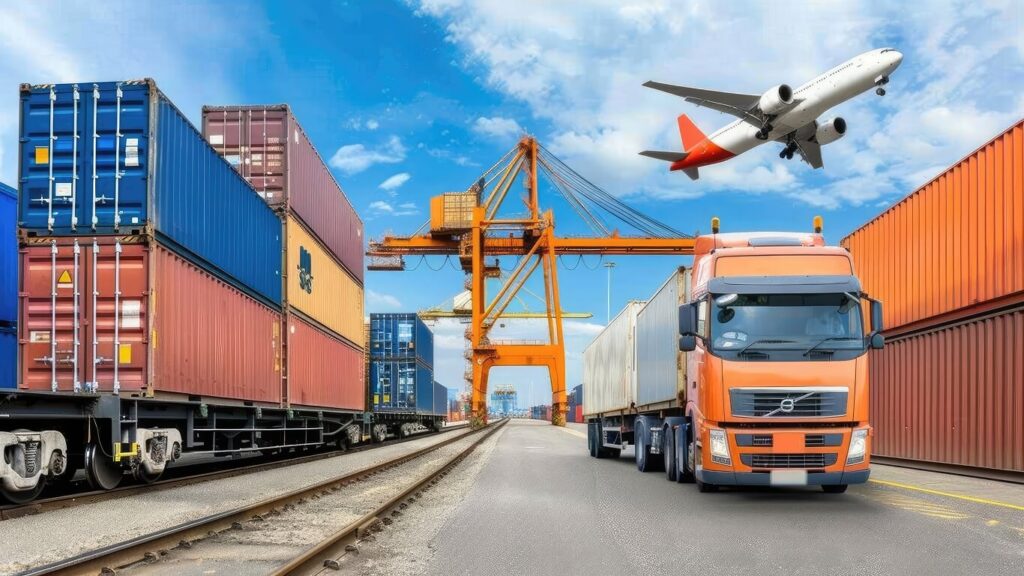
Innovations Driving Faster, Safer, and Smarter Deliveries
How technology is redefining the future of logistics
In an era where speed, safety, and intelligence define customer expectations, the delivery industry is undergoing a powerful transformation. From AI-driven route planning to autonomous vehicles, innovations are reshaping how goods move across cities and continents. Today’s delivery networks are no longer just fast — they are smart, secure, and highly efficient.
1. AI-Powered Route Optimization
Artificial Intelligence is revolutionizing route planning by analyzing real-time traffic, weather conditions, delivery density, and historical data. AI-driven systems dynamically adjust routes to reduce delays, fuel consumption, and delivery times.
Key benefits:
- Faster last-mile delivery
- Reduced fuel costs and emissions
- Improved on-time delivery rates
Smart routing ensures every delivery follows the most efficient path — even when conditions change.
2. Real-Time Tracking and Predictive Visibility
Modern tracking technologies powered by IoT and GPS provide end-to-end shipment visibility. Customers and logistics teams can monitor deliveries in real time, receive proactive alerts, and anticipate potential disruptions.
Predictive analytics goes a step further by identifying risks before they occur — enabling logistics teams to take corrective action early.
3. Automation and Robotics in Warehousing
Automation is speeding up order fulfillment while reducing errors. Robotic picking systems, automated sorting, and smart conveyors allow warehouses to process high volumes with precision and consistency.
Impact on delivery performance:
- Faster order processing
- Lower error rates
- Enhanced worker safety
Smarter warehouses mean quicker dispatch and more reliable deliveries.
4. Autonomous and Semi-Autonomous Vehicles
Self-driving delivery vans, drones, and autonomous robots are redefining last-mile logistics. These technologies enable 24/7 operations, reduce human error, and improve safety on roads and in crowded urban areas.
While large-scale adoption is still evolving, pilot programs already demonstrate how autonomy can transform delivery speed and reliability.
5. Smart Packaging and Sensor Technology
Innovative packaging solutions equipped with sensors help protect shipments and ensure quality throughout transit. Temperature, shock, and humidity sensors are especially critical for pharmaceuticals, food, and high-value goods.
Smart packaging:
- Prevents damage and spoilage
- Enhances product traceability
- Improves customer trust
6. Enhanced Safety Through Digital Compliance
Digital compliance systems ensure drivers, vehicles, and shipments meet safety standards at every stage. Electronic proof of delivery (ePOD), driver monitoring tools, and automated compliance checks reduce risks and improve accountability.
These innovations create safer working environments while protecting goods and customers alike.
7. Sustainable Delivery Innovations
Speed and intelligence must align with sustainability. Electric delivery vehicles, micro-fulfillment centers, and route consolidation strategies reduce emissions while maintaining fast service.
Green delivery solutions are no longer optional — they are essential for future-ready logistics operations.
Conclusion: Delivering the Future Today
Innovations in logistics are creating delivery ecosystems that are faster, safer, and smarter than ever before. Companies that adopt AI, automation, real-time visibility, and sustainable technologies will lead the next generation of delivery excellence.
The future of deliveries isn’t coming — it’s already in motion.